Every hot tub installation goes more smoothly when a little groundwork happens beforehand. Most delays or surprises we run into on-site trace back to one of a handful of things that could have been sorted out in advance. If you’re planning a new spa for your backyard, here’s what I’d recommend confirming first.
1. Is the Surface Actually Level?
This sounds obvious, but “close to level” and “actually level” are two very different things when you’re talking about the weight of a filled spa. Concrete pads, reinforced decks, and paver surfaces all work, but they need to be checked properly, not eyeballed. An uneven surface causes problems that show up gradually: stress on the shell, water pooling unevenly, and a cover that won’t seal quite right.
2. Can the Spa Actually Weight-Bear Where You Want It?
A filled hot tub is heavy, often several thousand pounds once water and occupants are factored in. Decks need to be rated to handle that load, and this is one detail that’s much easier to confirm before installation than after. If there’s any doubt, it’s worth having the structure evaluated ahead of time.
3. Is the Electrical Work Actually Done, or Just Planned?
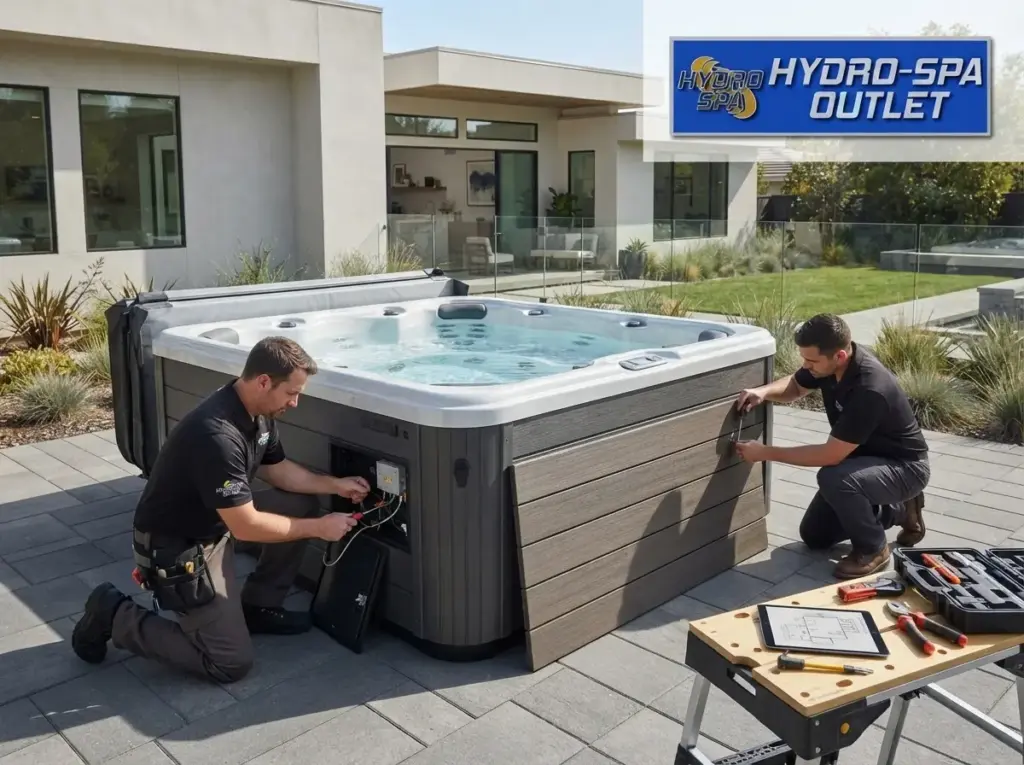
Most spas need a dedicated electrical circuit installed by a licensed electrician. We coordinate around this, but the electrical work itself needs to be completed before installation day, not scheduled for “sometime after.” This is probably the single most common reason installations get pushed back.
4. Is There a Clear Path to the Installation Site?
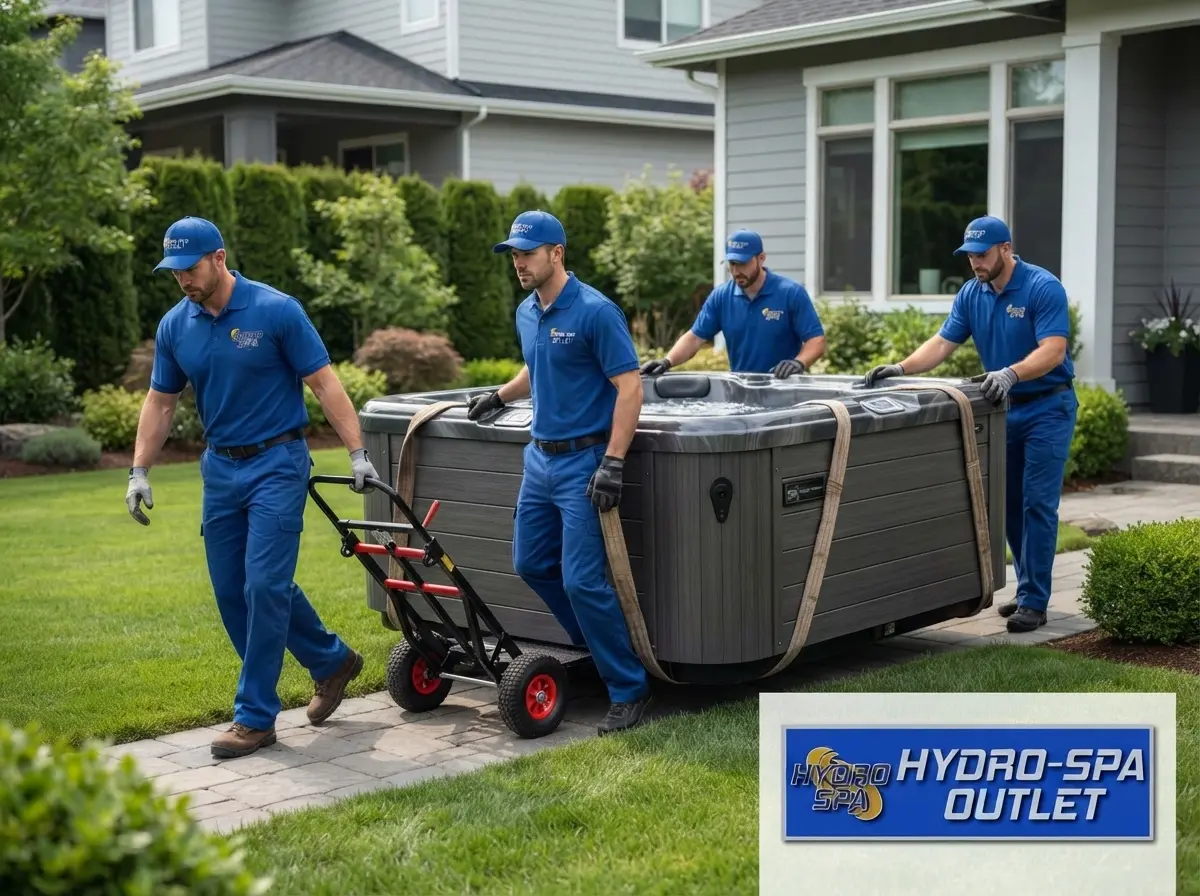
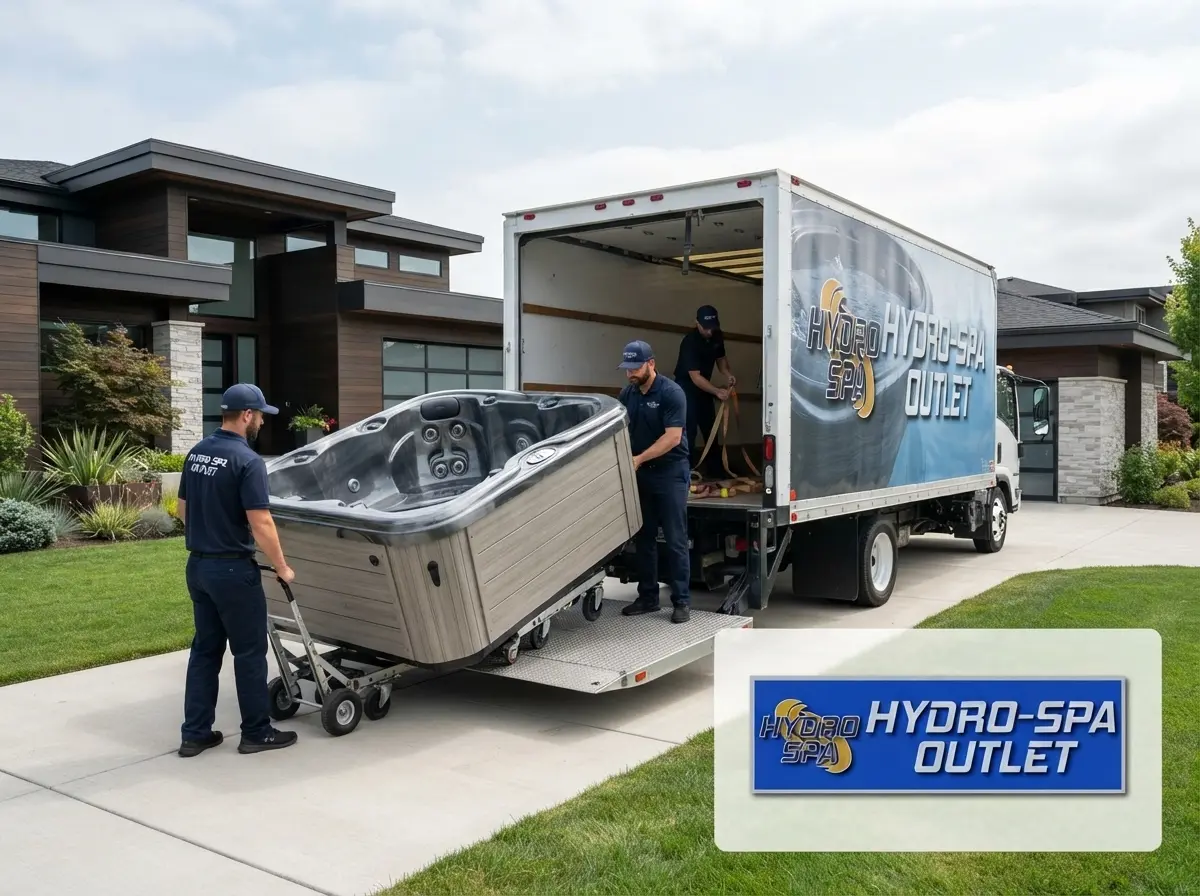
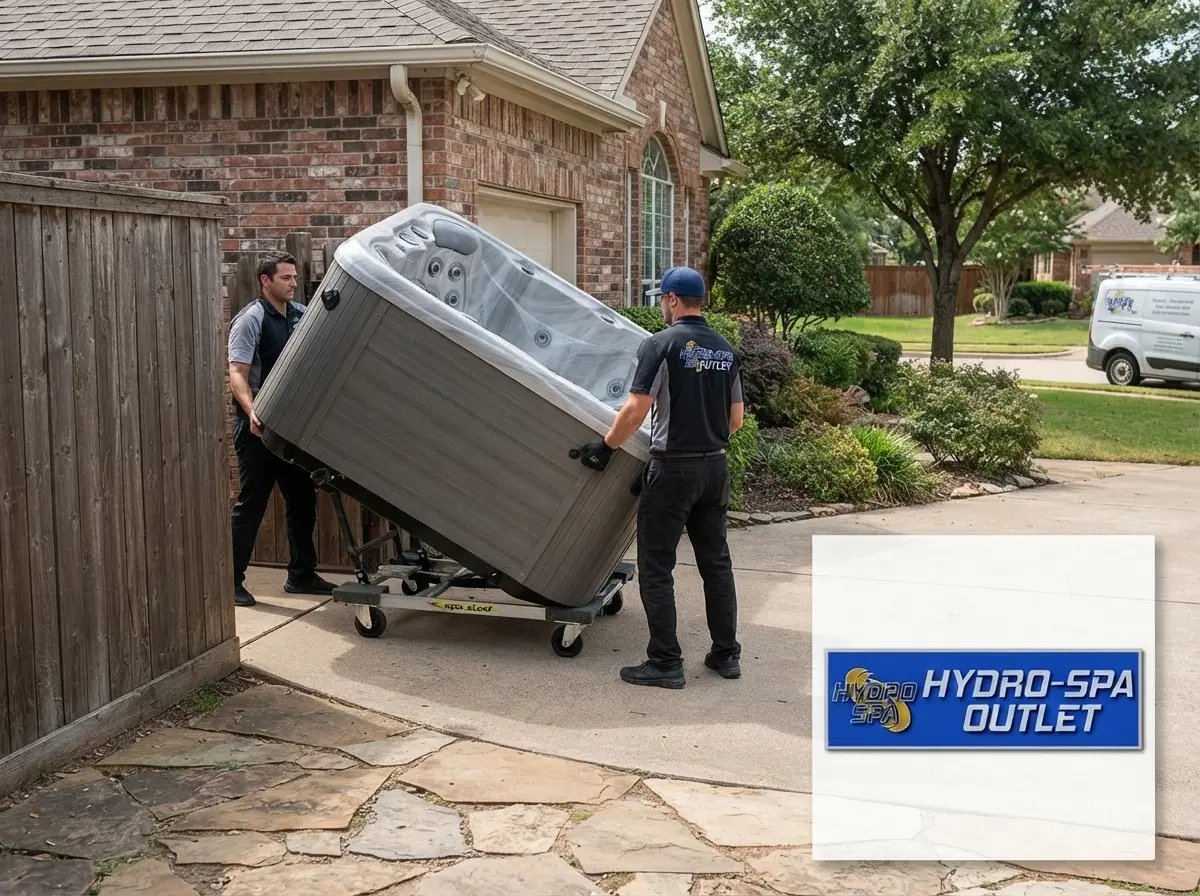
Gates, fences, landscaping, and even narrow side yards can all affect how a spa gets from the street to its final location. Homes near Ventura Boulevard with more compact side access sometimes need this mapped out in advance so there are no surprises with clearance on installation day.
5. Have You Thought About Sun, Privacy, and Sightlines?
This one isn’t about the installation logistics, it’s about long-term enjoyment. Placement affects how often you’ll actually use the spa. A spot with some afternoon shade, a bit of privacy from neighboring yards, and easy access from the house tends to get used far more than one that was chosen purely for convenience during installation.
Why Pre-Installation Planning Actually Saves Time
None of this is meant to be overwhelming, it’s meant to save you from delays once installation day arrives. When these five things are handled ahead of time, installation tends to go exactly as planned, no surprises, no rescheduling. Our team walks through this checklist with every customer before we ever set a date, and you can see more about our full process on our installation page.
If you’re still deciding on a location or size, our showroom is also a good place to talk through spa options that fit your specific backyard, especially if you’re weighing something like a swim spa against a traditional hot tub.
Pre-Installation Questions We Get Often
Do I need a permit for hot tub installation?
Requirements vary by city and property type, so it’s worth checking with your local building department before installation day.
What if my deck isn’t rated for the weight?
This is worth resolving before installation. A structural evaluation ahead of time avoids issues that are much harder to fix after the spa is in place.
Can installation still happen if the electrical isn’t finished?
Generally, no. The circuit needs to be completed and inspected, if required, before we can safely connect and test the spa.
How far in advance should I plan installation day?
We recommend confirming site readiness at least a week or two ahead, giving enough time to address anything on this checklist without rushing.
Let’s Make Sure You’re Ready
If you’re not sure whether your backyard checks all these boxes yet, we’re happy to help you figure it out before scheduling. We work with homeowners throughout Woodland Hills, Calabasas, and Hidden Hills to make installation day as smooth as possible.
Hydro-Spa Outlet
6559 Topanga Canyon Blvd, Woodland Hills, CA 91303
(818) 992-7727
hydrospaoutlet.com
Find us on Google Maps