
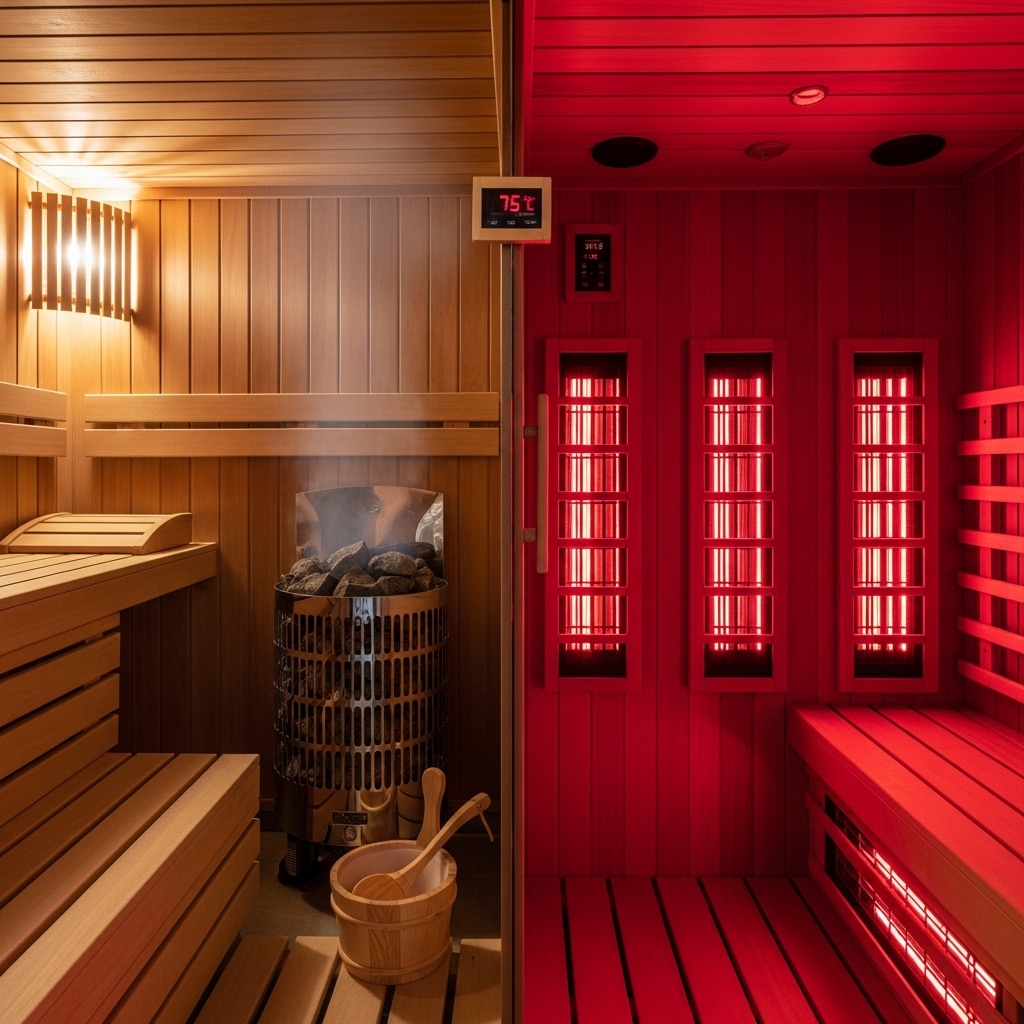
When it comes to relaxation and wellness, saunas have long been a favored choice for many. In Woodland Hills, California, two popular options stand out: the Traditional Sauna and the Infrared Sauna. Understanding the differences and benefits of each can help you make an informed decision about which one might be right for you. As an expert in hot tub installations, I often get asked about these saunas, and I can assure you both have their unique advantages. Among these, we often discuss the Traditional Sauna for its rich heritage and effectiveness.
Understanding Traditional Saunas
A traditional sauna, often associated with Finnish culture, typically uses wood to create heat, allowing the air temperature to rise significantly. These saunas are heated to around 150 to 195 degrees Fahrenheit and rely on steam to create a humid environment due to the pouring of water on hot stones. For many, the experience of sitting in a warm, wood-paneled room while feeling the warmth penetrate the skin is unparalleled. The Traditional Sauna has been known to offer numerous health benefits, from improved circulation to detoxification.
The Mechanics of Infrared Saunas
On the other side, we have infrared saunas that utilize light to create heat. Infrared saunas operate at lower temperatures, usually between 120 to 150 degrees Fahrenheit, which can make them more comfortable for some users. They work by emitting infrared light, which is absorbed directly by the skin, providing a different type of heat experience. This can result in a deeper tissue penetration, which some find beneficial for muscle recovery and joint pain relief.
Health Benefits Comparison
When it comes to health benefits, both saunas offer unique advantages. A traditional sauna promotes heavy sweating, which aids in flushing out toxins and impurities. Users often report a profound sense of relaxation and reduced stress levels. The high temperatures and humidity can also help with respiratory issues, making sauna sessions refreshing and invigorating.
Meanwhile, infrared saunas boast of conditions like deep tissue relaxation, making them a favorite among athletes and those recovering from injuries. The lower temperatures appeal to individuals who may find the traditional sauna’s heat overwhelming. In terms of burning calories, infrared saunas tend to create a more vigorous sweat, which some studies suggest can lead to greater calorie expenditure.
Choosing the Right Sauna for You
Your choice between a Traditional Sauna and an Infrared Sauna can depend on personal preferences and desired health benefits. If you enjoy the experience of high heat and humidity, the Traditional Sauna might be your best bet. Alternatively, if you’re seeking a milder heat experience that still provides health benefits, you may want to consider infrared options. Both types of saunas can provide a retreat from the hectic pace of life in Woodland Hills, offering a serene space for relaxation and recovery.
Frequently Asked Questions
What is the main difference between Traditional and Infrared Saunas?
The primary difference lies in the heat source. Traditional saunas heat the air around you, while infrared saunas use light to produce heat that directly warms your body.
How long should I stay in a sauna?
Generally, 15-20 minutes is recommended for sauna sessions, but it can vary based on your comfort level and experience. Always listen to your body.
Are there any health risks associated with sauna use?
While saunas are generally safe, it’s important to stay hydrated and consult a doctor if you have health concerns. People with certain conditions, like heart issues, should seek medical advice before using saunas.
In conclusion, whether you lean towards the classic appeal of a Traditional Sauna or the modern benefits of an Infrared Sauna, either choice can provide wonderful wellness advantages. Why not experience it for yourself? Visit us and explore the option of a Traditional Sauna today! You’ll be glad you did.
Hydro-Spa Outlet
6559 CA-27, Woodland Hills, CA 91303, United States
Phone: +1 (818) 992-7727