
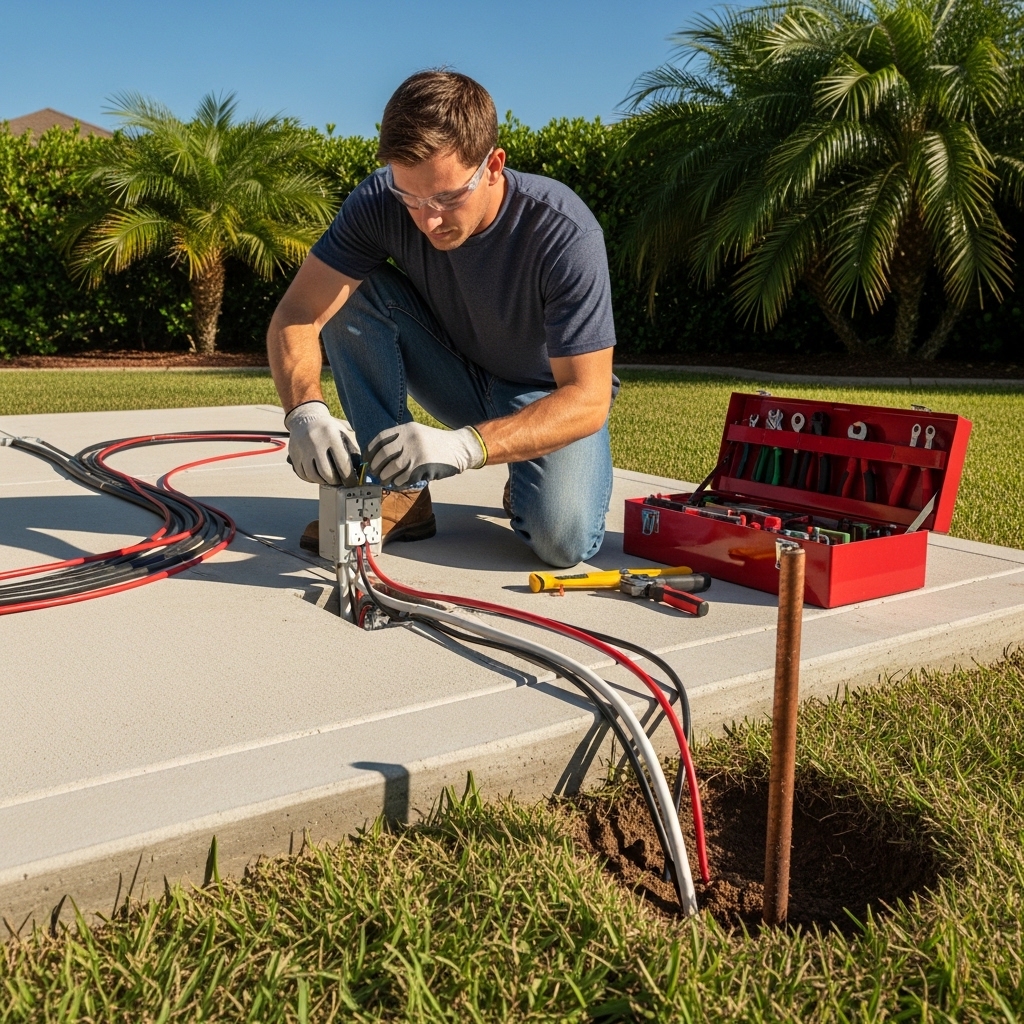
Installing a hot tub is an exciting venture that transforms your backyard into a personal oasis. Whether you’re looking to unwind after a long day or entertain family and friends, proper electrical installation is essential to ensure your hot tub operates safely and efficiently. In Woodland Hills, California, the nuances of local regulations and environmental factors add important dimensions to this installation process. This guide will help you navigate those complexities and understand the critical aspects of Hot Tub Installation.
Understanding Local Regulations
Before diving into the technicalities, it’s crucial to familiarize yourself with the local electrical codes and regulations that govern hot tub installations in Woodland Hills. The city adheres to strict standards designed to safeguard homeowners, ensuring that installations meet specific safety measures. Therefore, consulting with local authorities or an experienced electrical contractor familiar with these codes can save you time and ensure compliance.
Choosing the Right Location
Location plays a significant role in selecting the spot for your hot tub. Consider accessibility to electrical outlets and water supply, while also planning for the surrounding environment. Opting for a flat, stable surface reduces the risk of uneven settling over time, which could lead to electrical issues and maintenance challenges down the line. Additionally, think about the convenience for users and the visual aesthetics of your yard. After considering these aspects, you’re in a better position to move forward with Hot Tub Installation.
The Electrical Setup
A qualified electrician is essential for the successful installation of your hot tub’s electrical system. This process typically involves installing a dedicated circuit because hot tubs require a significant amount of power to operate efficiently. Electricians will often recommend GFCI protection, which is crucial for preventing electric shock in wet environments. It’s also vital to use materials approved for outdoor use to ensure longevity and safety.
Grounding and Bonding
Grounding and bonding are crucial aspects of any hot tub electrical installation. Grounding ensures that any electrical faults are safely directed to the ground, while bonding connects various metallic parts to prevent potential electrostatic discharges. Together, these practices provide peace of mind, ensuring that your hot tub experience is not only enjoyable but safe.
Maintenance Tips for Longevity
Adhering to recommended maintenance practices can extend the life of your hot tub significantly. Regular checks of electrical connections, ensuring insulation is intact, and routine servicing of the heater and pump will help maintain optimal functioning. Educating yourself about these aspects will prove invaluable in the longevity of your hot tub investment.
FAQs
What is the importance of GFCI protection?
GFCI, or Ground Fault Circuit Interrupter, is essential for providing safety in wet environments like around a hot tub. It helps prevent electric shock by detecting uneven electrical flow.
How often should my hot tub be serviced?
Regular servicing is recommended every three to six months, depending on usage, to ensure all components are functioning correctly and safely.
Can I install the hot tub myself?
While some homeowners may consider DIY installations, hiring a licensed electrician is recommended due to the complexities and safety hazards involved.
If you are ready to enhance your home and lifestyle with a hot tub, don’t hesitate to reach out for expert guidance. Let us help you with every aspect of Hot Tub Installation to ensure your experience is seamless and enjoyable. We’ll make sure everything is up to code, safe, and ready for you to create the perfect backyard retreat.
Hydro-Spa Outlet
6559 CA-27, Woodland Hills, CA 91303, United States
Phone: +1 (818) 992-7727